Chapter 2
Characteristics of Admissions by Primary Substance: 2011
All Admissions Aged 12 and Older
Alcohol Only
Alcohol with Secondary Drug Abuse
Heroin
Opiates Other than Heroin
Smoked Cocaine (Crack)
Non-Smoked Cocaine
Marijuana/Hashish
Methamphetamine/Amphetamines
Tranquilizers
Sedatives
Hallucinogens
Phencyclidine (PCP)
Inhalants
This chapter highlights important findings in the 2011 TEDS data. The tables include items in the TEDS Minimum and Supplemental Data Sets for 2011. (See Appendix B for a complete data dictionary.) Data are tabulated as percentage distributions of treatment admissions according to primary substance of abuse. It is important to note that percentages in charts, narrative lists, and percentage distributions in tables may not add to 100 percent due to rounding.
The Minimum Data Set consists of 19 items that include:
- Demographic information
- Primary, secondary, and tertiary substances and their route of administration, frequency of use, and age at first use
- Source of referral to treatment
- Number of prior treatment episodes
- Service type, including medication-assisted opioid therapy
The Supplemental Data Set consists of 17 items that include psychiatric, social, and economic
measures.
Not all States report all data items in the Minimum and Supplemental Data Sets. Most States report the Minimum Data Set for all or nearly all TEDS admissions. However, the items reported from the Supplemental Data Set vary greatly across States.
The figures in this chapter represent counts of admissions for each primary substance of abuse by gender, age, and race/ethnicity (non-Hispanic White, non-Hispanic Black, Hispanic of Mexican
origin, Hispanic of Puerto Rican origin,1 American Indian/Alaska Native, and Asian/Pacific
Islander).
1
All Admissions Aged 12 and Older
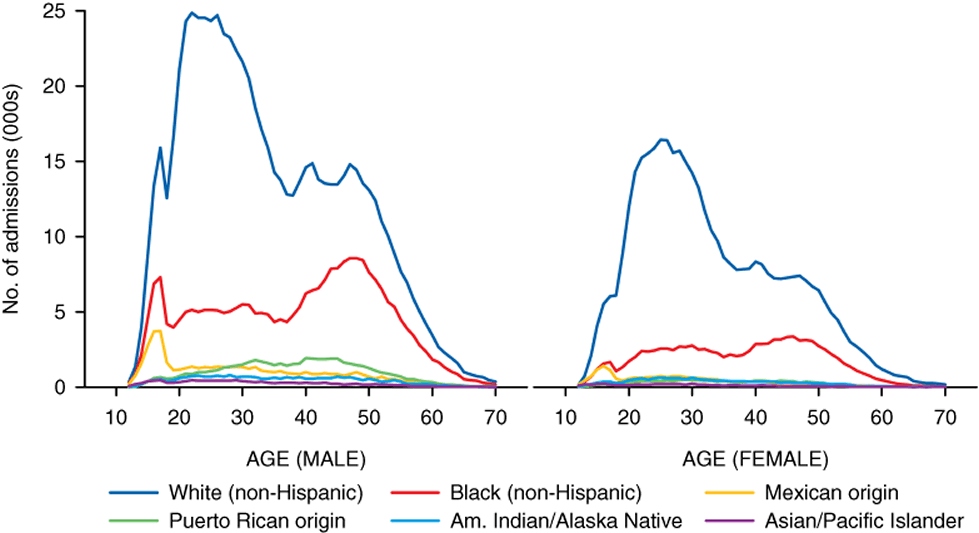
- The average age at admission was 34 years; 7 percent of admissions were aged 12 to 17 years [Table 2.1a].
- Non-Hispanic Whites made up 61 percent of all treatment admissions aged 12 and older in 2011 (39 percent males and 22 percent females). Non-Hispanic
- Blacks made up 20 percent of all admissions (14 percent males and 6 percent females) [Table 2.3a].
- Forty-one percent of treatment admissions had not been in treatment before the current episode, while 13 percent had been in treatment five or more times previously [Table 2.5].
- Most admissions (62 percent) received ambulatory treatment, 1 in 5 (21 percent) received
detoxification, and 17 percent received rehabilitation/residential treatment [Table 2.7].
- Self- or individual referrals and the criminal justice system were responsible for 35 percent and 34 percent, respectively, of referrals to treatment [Table 2.6].
- Less than one-quarter (22 percent) of admissions aged 16 and older were employed [Table 2.8].
- Thirty percent of admissions aged 18 and older had not completed high school or attained a GED [Table 2.9].
2
Figure 5. All admissions, by gender, age, and race/ethnicity: 2011
Alcohol Only
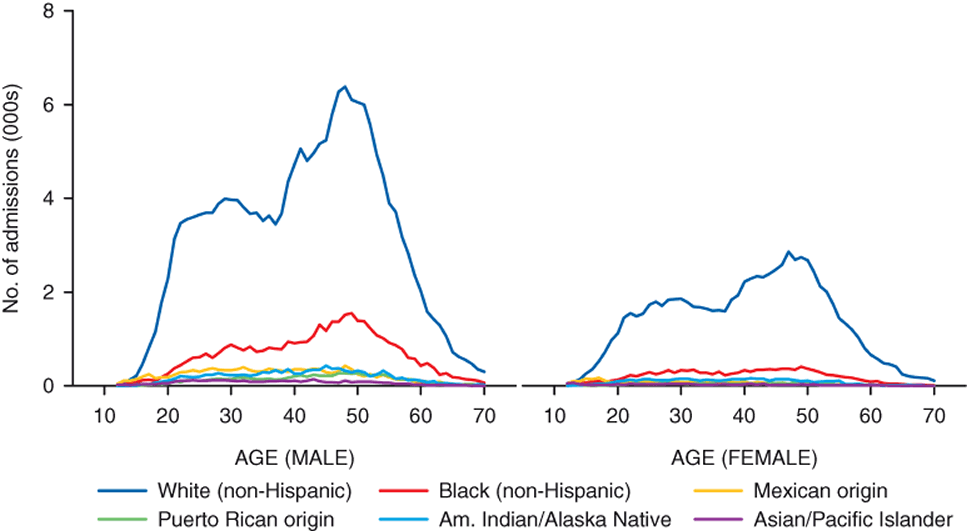
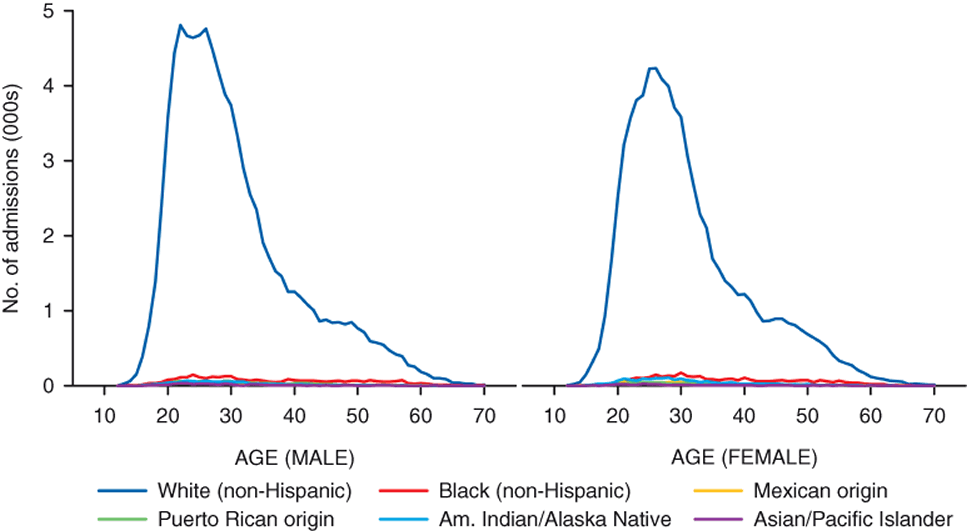
- Admissions for abuse of alcohol alone, with no secondary drug abuse, represented 22 percent of TEDS admissions aged 12 and older in 2011 [Table 1.1b].
- The average age at admission was 41 years [Table 2.1a]. Abuse of alcohol (alone or with secondary drug) was the problem most likely to be reported by admissions aged 30 and older [Table 2.1b].
- Non-Hispanic Whites made up 67 percent of all alcohol-only admissions (approximately 47 percent males and 21 percent females) [Table 2.3a].
- Eighty-seven percent of alcohol-only admissions reported that they first became intoxicated before age 21, the legal drinking age. Almost one-third (31 percent) first became intoxicated by age 14 [Table 2.5].
- Among admissions referred to treatment by the criminal justice system, alcohol-only admissions were more likely than admissions for alcohol with secondary drug abuse to have been referred as a result of a DUI/DWI offense (27 percent vs. 15 percent) [Table 2.6].
- Some 34 percent of alcohol-only admissions aged 16 and older were employed compared with 22 percent of all admissions that age [Table 2.8].
Figure 6. Alcohol-only admissions, by gender, age, and race/ethnicity: 2011
Alcohol with Secondary Drug Abuse
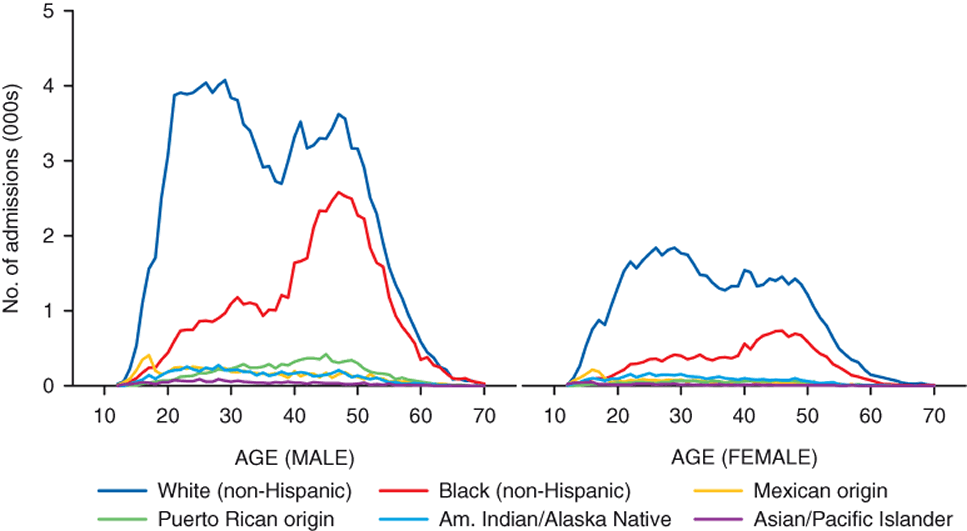
- Admissions for primary abuse of alcohol with secondary abuse of drugs represented 18 percent of TEDS admissions aged 12 and older in 2011 [Table 1.1b].
- The average age at admission for primary alcohol with secondary drug abuse was lower, at 37 years, than for abuse of alcohol alone (41 years) [Table 2.1a].
- Non-Hispanic Whites accounted for 59 percent of admissions for primary alcohol with secondary drug abuse (41 percent males and 18 percent females). Non-
- Hispanic Blacks made up 23 percent of admissions (18 percent males and 5 percent females) [Table 2.3a].
- Almost half (46 percent) of admissions for primary alcohol with secondary drug abuse first became intoxicated by age 14, and 93 percent first became intoxicated before age 21 (the legal drinking age) [Table 2.5].
- Admissions for primary alcohol with secondary drug abuse were less likely to be in treatment for the first time than alcohol-only admissions (36 percent vs. 47 percent) [Table 2.5].
- Among admissions referred to treatment by the criminal justice system, admissions for alcohol with secondary drug abuse were more likely than alcohol-only admissions to have been referred to treatment as a condition of probation/parole (32 percent vs. 20 percent) [Table 2.6].
- Among admissions for alcohol with secondary drug abuse, marijuana and smoked cocaine were the most frequently reported secondary substances (25 percent and 9 percent, respectively) [Table 3.8].
Figure 7. Alcohol admissions with secondary drug abuse,
by gender, age, and race/ethnicity: 2011
Heroin
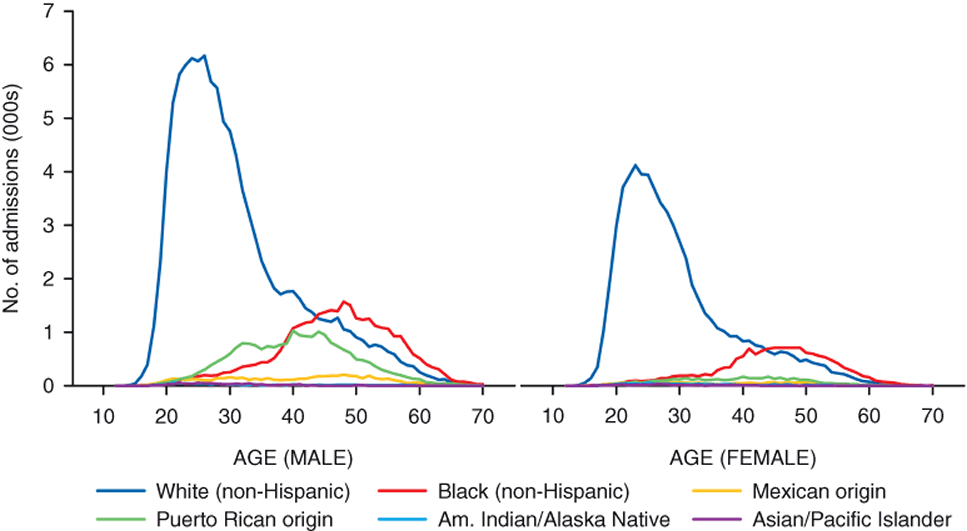
- Heroin was reported as the primary substance of abuse for 15 percent of TEDS admissions aged 12 and older in 2011 [Table 1.1b].
- Sixty-two percent of primary heroin admissions were non-Hispanic White (39 percent males and 23 percent females). Non-Hispanic Blacks made up 17 percent (12 percent males and 5 percent females) [Table 2.3a]. Among admissions of Puerto Rican origin, 37 percent were for primary heroin abuse [Table 2.2]. See Chapter 3 for additional data on heroin admissions.
- Injection was reported as the usual route of administration by 70 percent of primary heroin
admissions; inhalation was reported by 25 percent. Daily heroin use was reported by 67 percent of primary heroin admissions [Table 2.4].
- Most primary heroin admissions (80 percent) had been in treatment prior to the current episode, and 27 percent had been in treatment five or more times [Table 2.5].
- Primary heroin admissions were less likely than all admissions combined to be referred to treatment by the criminal justice system (15 percent vs. 34 percent) and more likely to be self- or individually referred (56 percent vs. 35 percent) [Table 2.6].
- Medication-assisted opioid therapy was planned for 27 percent of heroin admissions [Table 2.7].
- Only 12 percent of primary heroin admissions aged 16 and older were employed (vs. 22 percent of all admissions that age); 43 percent were unemployed (vs. 40 percent of all admissions that age) [Table 2.8].
Figure 8. Heroin admissions, by gender, age, and race/ethnicity: 2011
Opiates Other than Heroin
- Opiates other than heroin were reported as the primary substance of abuse for 10 percent of TEDS admissions aged 12 and older in 2011 [Table 1.1b]. These drugs include methadone,
codeine, hydrocodone, hydromorphone, meperidine, morphine, opium, oxycodone, pentazocine,
propoxyphene, tramadol, and any other drug with morphine-like effects.
- Forty-nine percent of admissions for opiates other than heroin were aged 20 to 29 compared with 31 percent of all admissions [Table 2.1a]. The peak age at admission for both males and females was about 25 years [Figure 9].
- Non-Hispanic Whites made up approximately 88 percent of admissions for primary opiates other than heroin (47 percent males and 41 percent females) [Table 2.3a].
- Primary opiates other than heroin were most frequently used orally (58 percent), followed by inhalation (22 percent) and injection (16 percent) [Table 2.4].
- Seventy-nine percent of admissions for opiates other than heroin reported first use after age 16 compared with 49 percent for all substances combined [Table 2.5].
- Medication-assisted opioid therapy was planned for 17 percent of admissions for primary
opiates other than heroin [Table 2.7].
- Sixty-five percent of admissions for primary opiates other than heroin reported abuse of other substances. The most commonly reported secondary substances of abuse were marijuana (26 percent), alcohol (20 percent), and tranquilizers (17 percent) [Table 3.8].
Figure 9. Non-heroin opiate admissions,
by gender, age, and race/ethnicity: 2011
Smoked Cocaine (Crack)
- Smoked cocaine (crack) was reported as the primary substance of abuse by 5 percent of TEDS admissions aged 12 and older in 2011 [Table 1.1b].
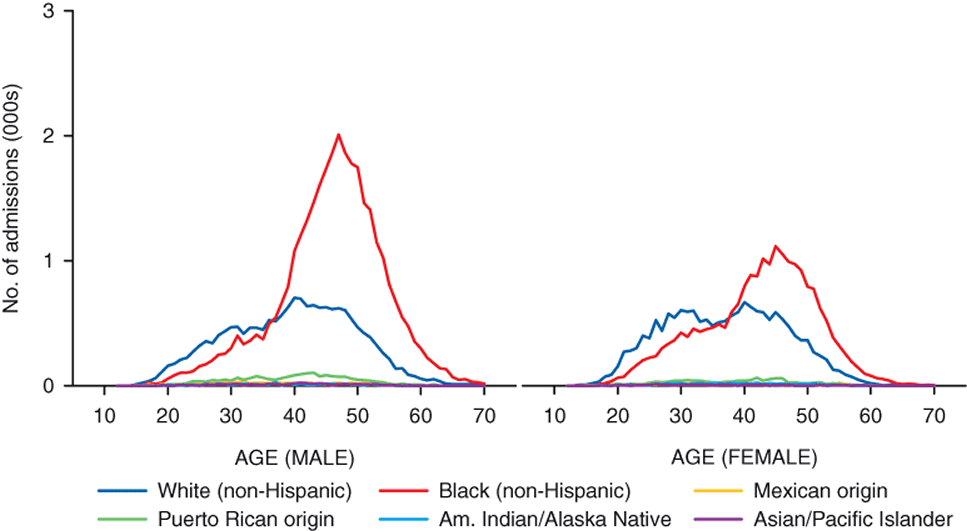
- Seventy-six percent of primary smoked cocaine admissions were aged 35 or older compared with 45 percent of all admissions, and the average age at admission was 42 years [Table 2.1a]. Admissions among non-Hispanic Black males peaked at 45 years; admissions among non-Hispanic White males peaked at 40 years of age [Figure 10].
- Non-Hispanic Blacks accounted for 55 percent of primary smoked cocaine admissions
(33 percent males and 21 percent females), and non-Hispanic Whites accounted for 34 percent
(17 percent males and 17 percent females) [Table 2.3a].
- Primary smoked cocaine admissions were more likely than all admissions combined to receive rehabilitation/residential treatment (31 percent vs. 17 percent) [Table 2.7].
- Only 10 percent of primary smoked cocaine admissions aged 16 and older were employed compared with 22 percent of all admissions that age [Table 2.8].
- Sixty-eight percent of primary smoked cocaine admissions reported abuse of other substances. The most commonly reported secondary substances of abuse were alcohol (46 percent) and marijuana (30 percent) [Table 3.8].
Figure 10. Smoked cocaine (crack) admissions,
by gender, age, and race/ethnicity: 2011
Non-Smoked Cocaine
- Non-smoked cocaine was reported as the primary substance of abuse by 2 percent of TEDS admissions aged 12 and older in 2011 [Table 1.1b].
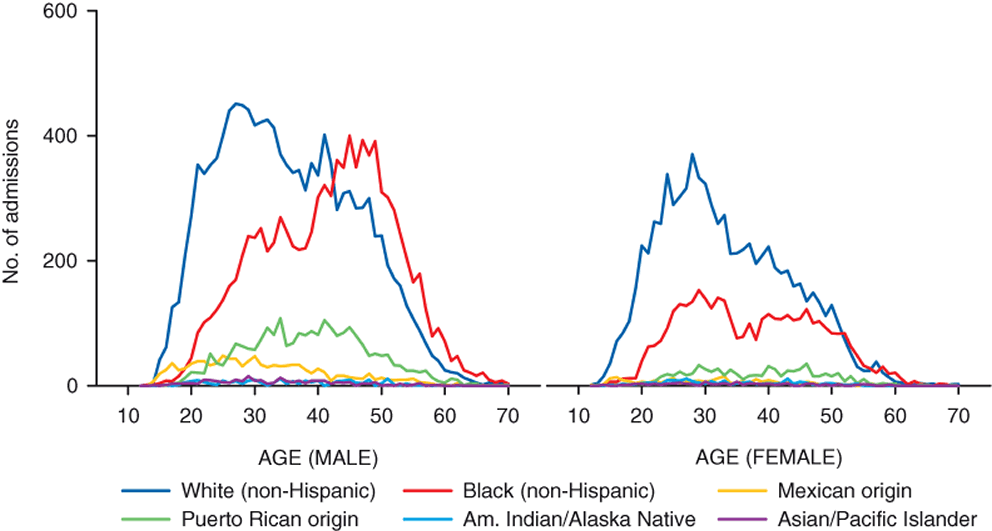
- The average age at admission for primary non-smoked cocaine admissions was 36 years [Table 2.1a]. However, the peak age among non-Hispanic White male admissions was 18 years younger than the peak age among non-Hispanic Black male admissions (28 vs. 46 years of age). Admissions among both non-Hispanic
- White females and non-Hispanic Black females peaked in their mid-20s [Figure 11].
- Non-Hispanic Whites accounted for 47 percent of primary non-smoked cocaine admissions
(29 percent males and 18 percent females), and non-Hispanic Black males accounted for 22 percent [Table 2.3a].
- Seventy-nine percent of admissions for primary non-smoked cocaine reported inhalation as the usual route of administration, followed by injection (11 percent) [Table 2.4].
- Non-smoked cocaine admissions were more likely than smoked cocaine admissions to be referred to treatment by a criminal justice/DUI source (37 percent vs. 26 percent) [Table 2.6].
- Seventy percent of admissions for primary non-smoked cocaine reported abuse of additional substances. Alcohol was most common, reported by 40 percent, followed by marijuana (31 percent) [Table 3.8].
Figure 11. Non-smoked cocaine admissions,
by gender, age, and race/ethnicity: 2011
Marijuana/Hashish
- Marijuana was reported as the primary substance of abuse by 18 percent of TEDS admissions aged 12 and older in 2011 [Table 1.1b].
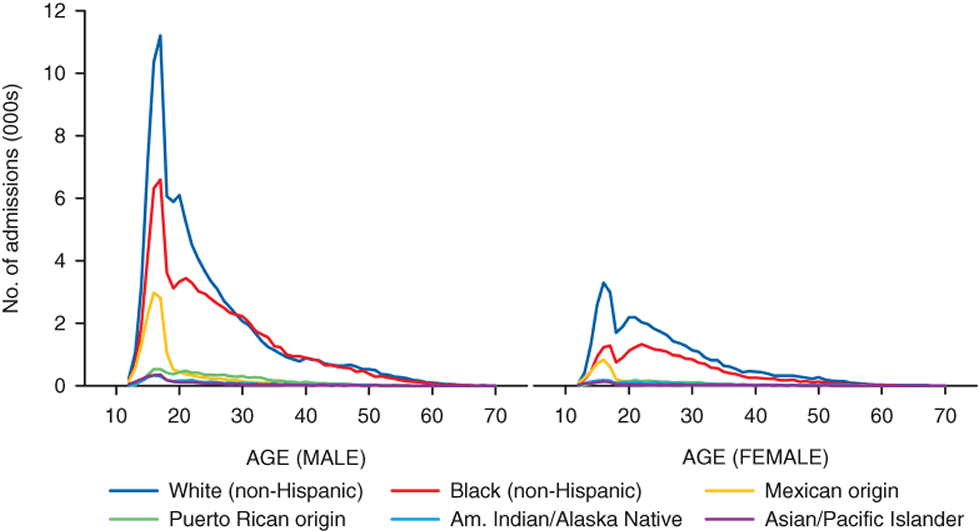
- The average age at admission for primary marijuana admissions was 24 years [Table 2.1a], although the peak age at admission for both genders in all race/ethnicities was 15 to 17 years [Figure 12]. Forty percent of marijuana admissions were under age 20 (vs. 11 percent of all admissions), and
primary marijuana abuse accounted for 74 percent of all admissions aged 12 to 14 years and 76 percent of admissions aged 15 to 17 years [Tables 2.1a-b].
- Non-Hispanic Whites accounted for 45 percent of primary marijuana admissions (32 percent males and 13 percent females), and non-Hispanic Black males accounted for 24 percent [Table 2.3a].
- Twenty-five percent of primary marijuana admissions had first used marijuana by age 12 and another 32 percent by age 14 [Table 2.5].
- Primary marijuana admissions were less likely than all admissions combined to be self- or individually referred to treatment (16 percent vs. 35 percent). Primary marijuana admissions were most likely to be referred by a criminal justice/DUI source (52 percent) [Table 2.6].
- More than 4 in 5 marijuana admissions (85 percent) received ambulatory treatment compared with about 3 in 5 of all admissions combined (62 percent) [Table 2.7].
- Fifty-six percent of primary marijuana admissions reported abuse of additional substances. Alcohol was reported by 41 percent [Table 3.8].
Figure 12. Marijuana/hashish admissions,
by gender, age, and race/ethnicity: 2011
Methamphetamine/Amphetamines
- Methamphetamine/amphetamines were reported as the primary substance of abuse by 6 percent of TEDS admissions aged 12 and older in 2011 [Table 1.1b]. Methamphetamine admissions represented 92 percent of this group [Table 1.1a].
- Primary methamphetamine/amphetamine admissions were on average 33 years old at admission [Table 2.1a]. Admissions for both genders in all race/ethnicities peaked in the late 20s; non-Hispanic White male admissions had a secondary peak in their late 30s [Figure 13].
- Non-Hispanic Whites accounted for 68 percent of primary methamphetamine/amphetamine admissions (36 percent males and 33 percent females) [Table 2.3a].
- Twelve percent of all primary methamphetamine/amphetamine admissions were of Mexican origin [Table 2.2].
- The usual routes of administration for primary methamphetamine/amphetamines were smoking (63 percent), injection (22 percent), and inhalation (8 percent) [Table 2.4].
- Primary methamphetamine/amphetamine admissions were more likely than all admissions combined to be referred to treatment by the criminal justice system (50 percent vs. 34 percent) [Table 2.6].
- Primary methamphetamine/amphetamine admissions were more likely than all admissions combined to receive long-term rehabilitation/residential treatment (16 percent vs. 7 percent) [Table 2.7].
- Sixty-six percent of primary methamphetamine/amphetamine admissions reported secondary use of other substances, primarily marijuana (36 percent) and alcohol (30 percent) [Table 3.8].
Figure 13. Methamphetamine/amphetamine admissions,
by gender, age, and race/ethnicity: 2011
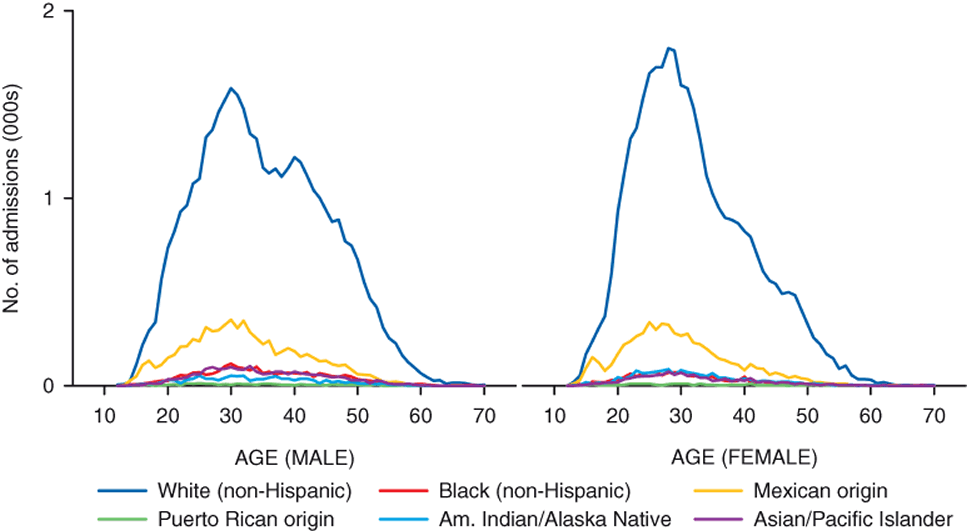
Tranquilizers
- Tranquilizers were reported as the primary substance of abuse by 1 percent of TEDS admissions aged 12 and older in 2011 [Table 1.1b].
- The average age at admission for primary tranquilizers was 34 years [Table 2.1a].
- Non-Hispanic Whites accounted for 83 percent of admissions for primary abuse of tranquilizers (41 percent males and 42 percent females) [Table 2.3a].
- Twenty-three percent of primary tranquilizer admissions first used tranquilizers after age 30 [Table 2.5].
- Primary tranquilizer admissions were the least likely of all admissions to receive ambulatory treatment (39 percent vs. 49 percent or above). They were the most likely of all admissions to receive hospital inpatient detoxification (11 percent vs. 6 percent or below) [Table 2.7].
- Secondary abuse of another substance was reported by 73 percent of primary tranquilizer
admissions. Secondary abuse of opiates other than heroin was reported by 29 percent, alcohol by 24 percent, and marijuana by 23 percent [Table 3.8].
Figure 14. Tranquilizer admissions,
by gender, age, and race/ethnicity: 2011
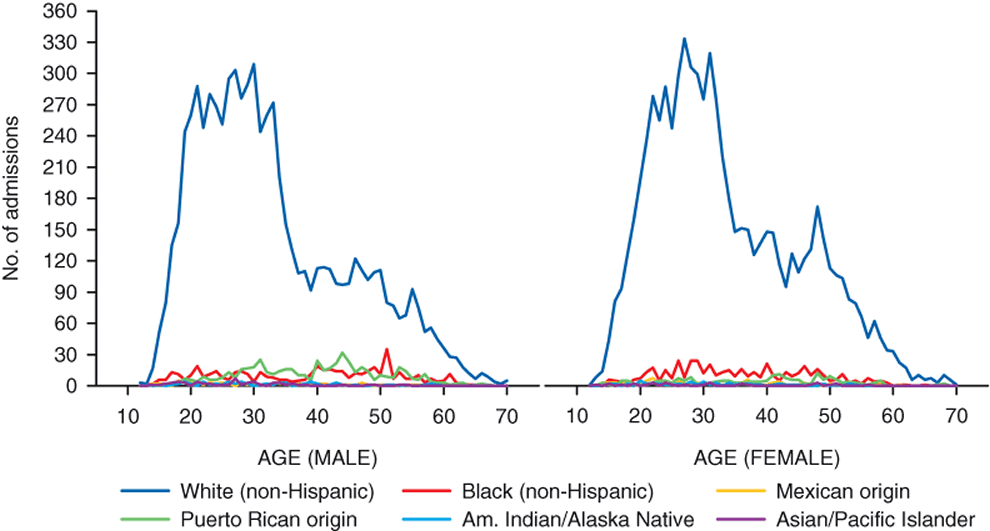
Sedatives
- Admissions for primary sedative abuse were responsible for less than one-quarter of 1 percent of TEDS admissions aged 12 and older in 2011 [Table 1.1b].
- Four percent of primary sedative admissions were aged 65 and older compared with
1 percent of total admissions [Table 2.1a].
- Non-Hispanic Whites accounted for 80 percent of primary sedative admissions (47 percent females and 33 percent males) [Table 2.3a].
- Twenty-five percent of primary sedative admissions first used sedatives after age 30 [Table 2.5].
- Primary sedative admissions were more likely than all admissions combined to receive short-term
rehabilitation/residential treatment (13 percent vs. 9 percent) [Table 2.7].
- More than one-third (34 percent) of primary sedative admissions aged 18 and older had more than 12 years of education (vs. 26 percent of all admissions) [Table 2.9].
- Sixty percent of primary sedative admissions reported abuse of other substances as well,
primarily alcohol (22 percent), marijuana (21 percent), and opiates other than heroin (17 percent) [Table 3.8].
Figure 15. Sedative admissions,
by gender, age, and race/ethnicity: 2011
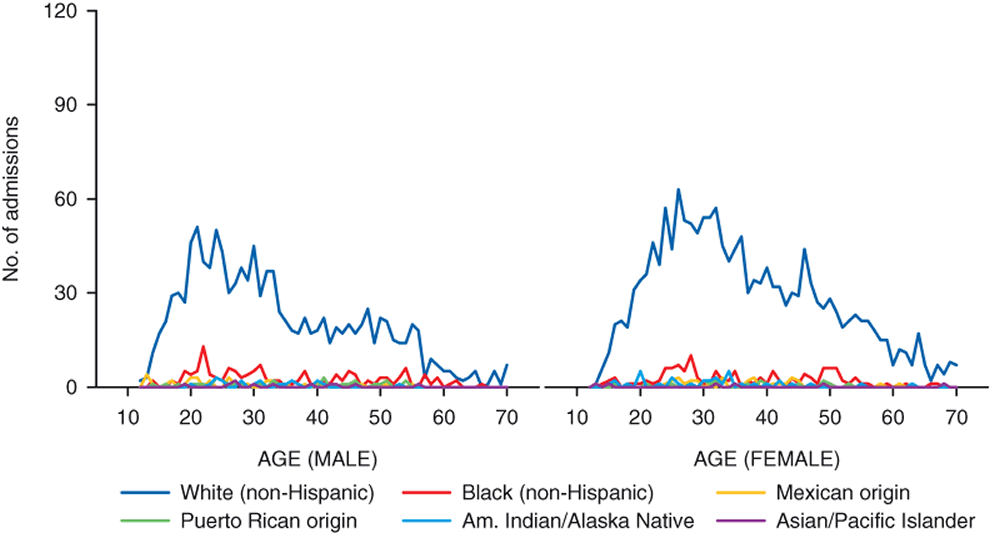
Hallucinogens
- Hallucinogens were reported as the primary substance of abuse by one-tenth of 1 percent of TEDS admissions aged 12 and older in 2011 [Table 1.1b].
- Hallucinogens include LSD, DMT, STP, mescaline, psilocybin, peyote, etc.
- Twenty-nine percent of hallucinogen admissions were under age 20 compared with 11 percent of all admissions combined. Only 30 percent were 30 years of age or older compared with 58 percent of all admissions [Table 2.1a].
- More than two-thirds (69 percent) of admissions for primary hallucinogen abuse were non-Hispanic Whites (50 percent males and 19 percent females), and non-
- Hispanic Black males accounted for 11 percent [Table 2.3a].
- Forty-four percent of primary hallucinogen admissions reported not using the drug in the past month [Table 2.4].
- Primary hallucinogen admissions were more likely than all admissions combined to receive rehabilitation/residential treatment (26 percent vs. 17 percent) [Table 2.7].
- Seventy-four percent of primary hallucinogen admissions reported abuse of drugs in addition to hallucinogens, mainly marijuana (42 percent), alcohol (30 percent), opiates other than heroin and methamphetamine/amphetamines (10 percent each), and non-smoked cocaine (9 percent) [Table 3.8].
Figure 16. Hallucinogen admissions,
by gender, age, and race/ethnicity: 2011
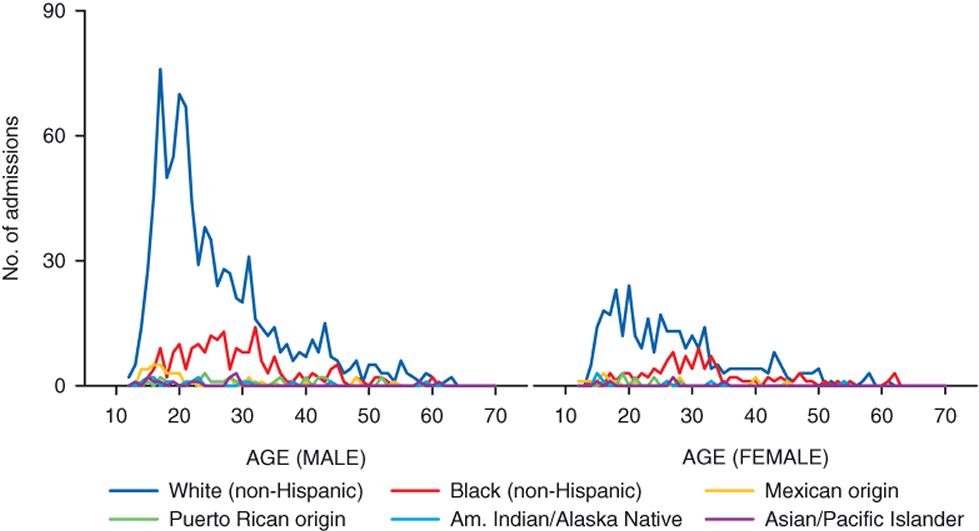
Phencyclidine (PCP)
- Phencyclidine (PCP) was reported as a primary substance of abuse by less than one-third of
1 percent of TEDS admissions aged 12 and older in 2011 [Table 1.1b].
- More than one-half (52 percent) of PCP admissions were aged 25 to 34 compared with about one-quarter (29 percent) of all admissions combined [Table 2.1a].
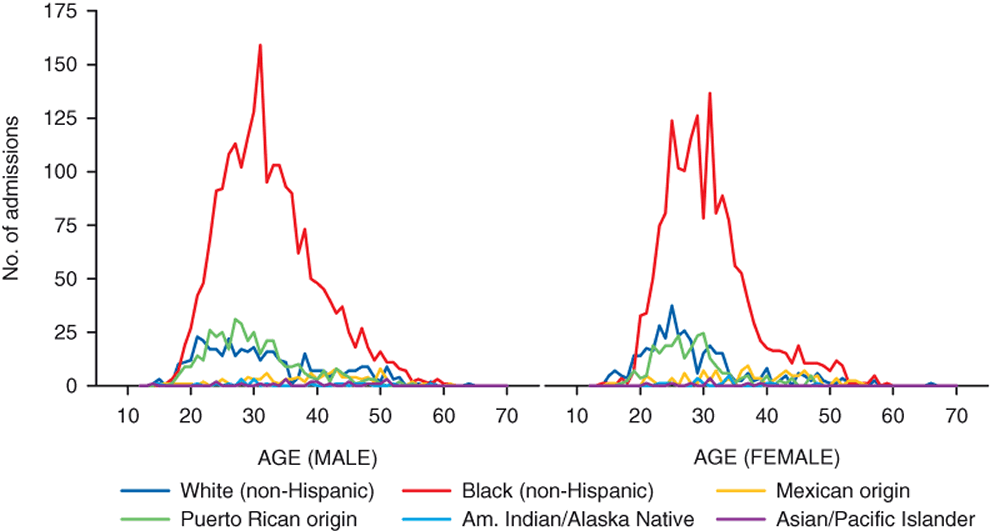
- Non-Hispanic Blacks accounted for 63 percent of primary PCP admissions (38 percent males and 25 percent females) [Table 2.3a].
- Among admissions referred to treatment through the criminal justice system, primary PCP admissions were more likely than all admissions combined to be referred as a condition of probation/parole (51 percent vs. 35 percent) [Table 2.6].
- Primary PCP admissions were more likely than all admissions combined to receive rehabilitation/residential treatment (30 percent vs. 17 percent), particularly short-term rehabilitation/residential treatment (16 percent vs. 9 percent) [Table 2.7].
- Only 12 percent of PCP admissions aged 18 and older had more than a high school education (vs. 26 percent of all admissions combined) [Table 2.9].
- Sixty-seven percent of primary PCP admissions reported abuse of other substances. Marijuana was reported as a secondary substance by 39 percent and alcohol by 32 percent [Table 3.8].
Figure 17. Phencyclidine (PCP) admissions,
by gender, age, and race/ethnicity: 2011
Inhalants
- Inhalants were reported as the primary substance of abuse by one-tenth of 1 percent of TEDS admissions aged 12 and older in 2011 [Table 1.1b]. Inhalants include ether, glue, chloroform, nitrous oxide, gasoline, paint thinner, etc.
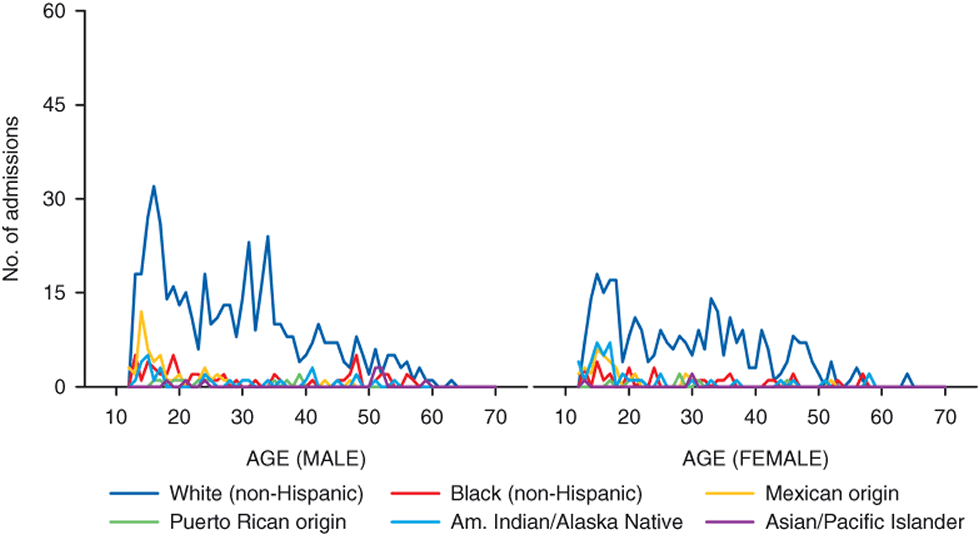
- Eleven percent of primary inhalant admissions were aged 12 to 14 years, and another 20
percent were aged 15 to 17 years [Table 2.1a].
- Two-thirds (67 percent) of primary inhalant admissions were non-Hispanic White (41 percent males and 26 percent females). Five percent of all primary inhalant admissions were non-Hispanic Black males [Table 2.3a].
- Primary inhalant admissions were equally as likely as all admissions combined to be a self- or individual referral (36 percent vs. 35 percent) and less likely to be a criminal justice/DUI referral (29 percent vs. 34 percent) [Table 2.6].
- Sixty-four percent of primary inhalant admissions reported abuse of other substances, principally alcohol (35 percent) and marijuana (31 percent) [Table 3.8].
- Reflecting their overall youth, inhalant admissions were more likely than all admissions
combined to have a dependent living arrangement (39 percent vs. 22 percent) or Medicaid as the expected source of payment (32 percent vs. 17 percent) [Tables 2.10 and 2.13].
Figure 18. Inhalant admissions,
by gender, age, and race/ethnicity: 2011
TO TABLES
